Arriving with care ...
Each winter, communities across British Columbia begin to move.
Vans are loaded late at night or early in the morning. Jerseys are folded carefully, snacks packed, playlists negotiated. Coaches, aunties, uncles, and trusted drivers take on a familiar responsibility: getting youth safely from one place to another, across long distances and winter highways, toward a gathering that is about much more than sport.
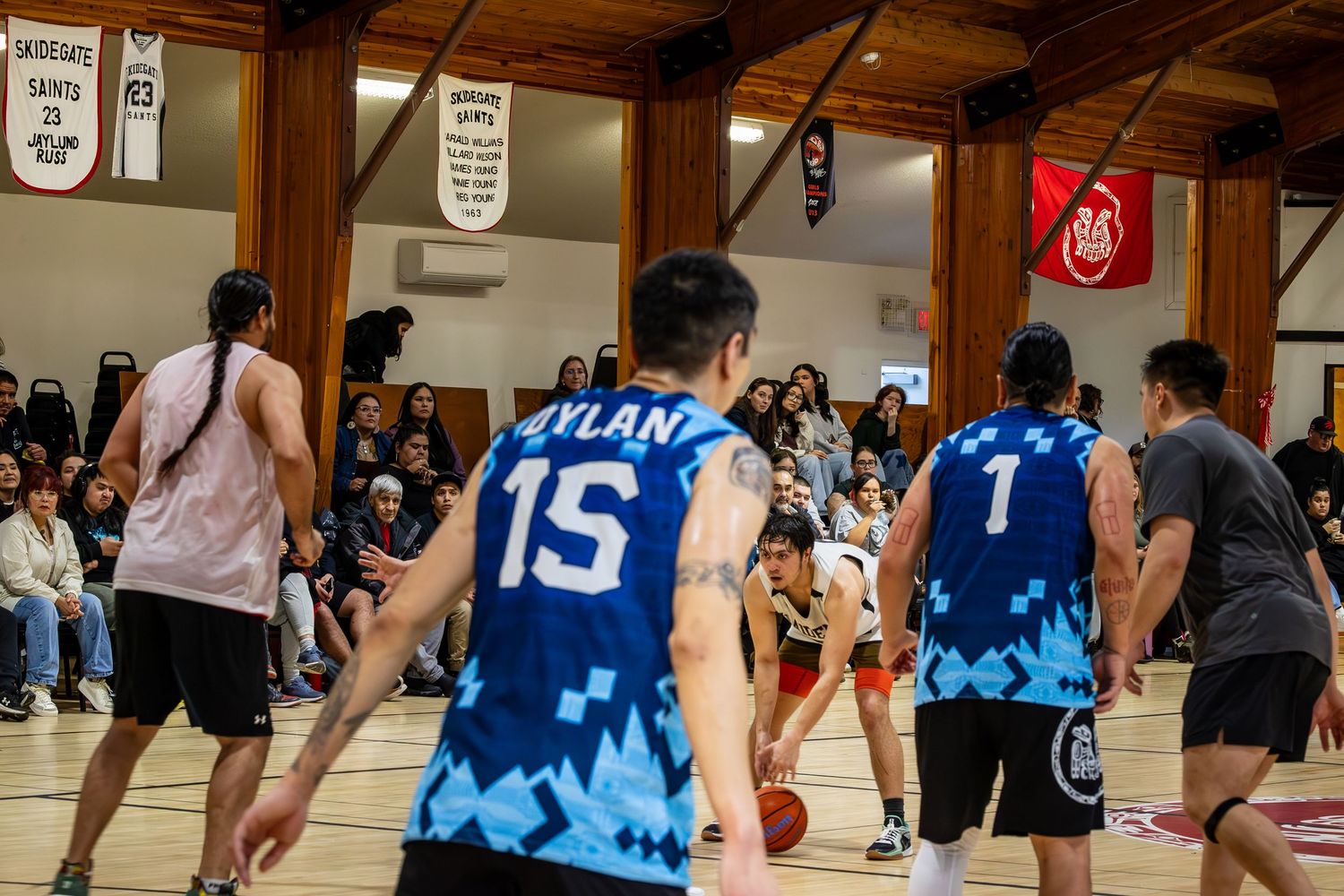
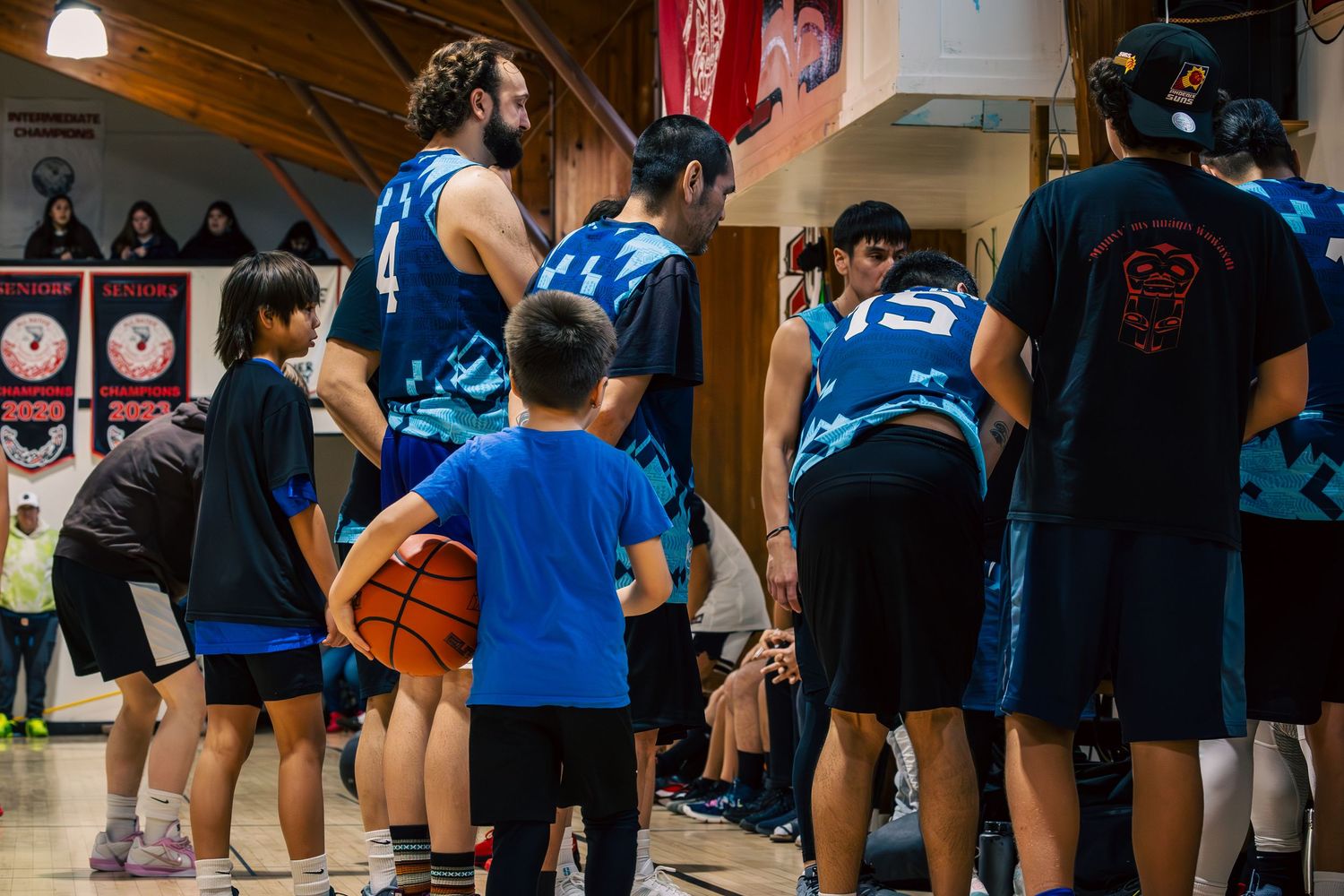
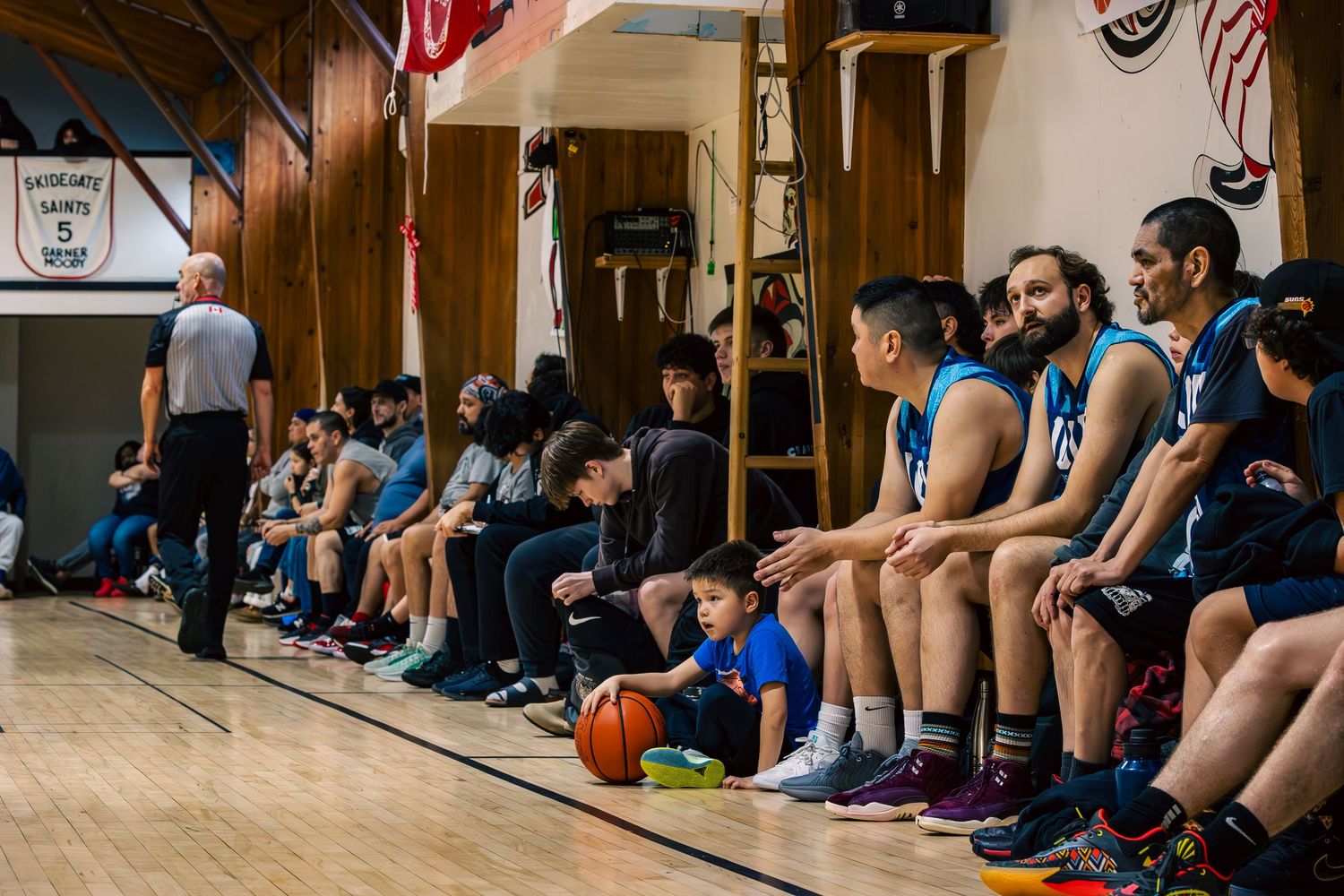
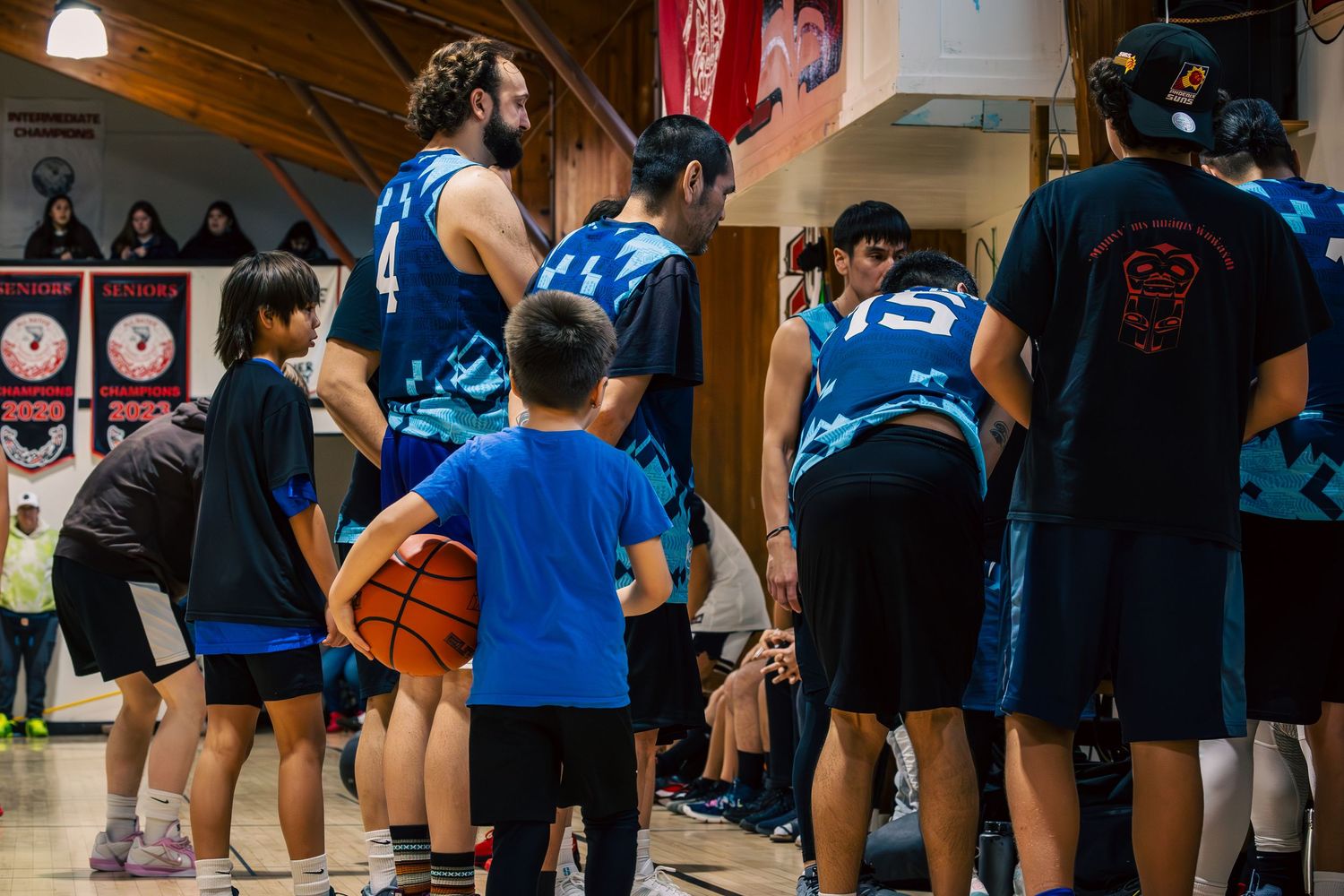
The journey to All Native Basketball Tournament in Prince Rupert is one of those moments. For many youth, it is their first time travelling far from home as part of a team. For others, it is a return to something deeply familiar, a place where competition, culture, family, and pride meet.
Transportation makes all of this possible. It is also where much of the responsibility quietly lives.
Winter highways in British Columbia are not neutral spaces. Snow, rain, darkness, shifting road conditions, and long hours behind the wheel all ask something of the people driving. When youth are passengers — when Elders, teammates, and community members are relying on one person to get them there and back and so driving becomes an act of care.
In these moments, safety is not about urgency or fear. It is about preparation. It is about knowing the vehicle, understanding responsibilities, and being ready for shared travel in changing conditions. It is about ensuring that the people we trust with our youth are supported, informed, and confident, not rushed or left to figure things out on their own.
Cultural and sporting events like the All Native Basketball Tournament are powerful because they bring communities together. Teams travel with stories, teachings, and expectations. Youth carry more than athletic goals; they carry the hopes of families and Nations who want them to arrive safely, play hard, and return home well.
This is where transportation safety intersects with culture.
Class 4 driver education is often described in technical terms — licences, requirements, regulations. In community contexts, it serves a quieter purpose. It supports the trusted drivers who move youth, teams, and community members together. It creates clarity around responsibility. It offers preparation before the road becomes difficult, rather than solutions after something has gone wrong.
For many communities, Class 4 training is not about creating professional drivers. It is about supporting community members who already step into responsibility be it the coaches, program staff, volunteers, and family members and giving them the knowledge and confidence to do so safely.
Indigenous tourism, youth sport, and cultural gatherings all rely on shared transportation. Whether it is a basketball tournament, a cultural camp, or a guided experience welcoming visitors, vans become spaces of connection. Laughter, nerves, encouragement, and care travel together. The road holds those moments.
As winter tournaments approach, it is worth slowing down long enough to notice the role transportation plays in keeping culture moving. Preparing drivers ahead of time is one way communities take care of their youth. It is one way we honour the responsibility that comes with carrying others.
This work is not about alarm. It is about readiness. It is about ensuring that when communities gather — in gyms, cultural centres, and along winter highways everyone arrives with care, and returns home safely.
These reflections are drawn from ongoing work with Indigenous communities across British Columbia. Shared here as part of a broader series, they explore how transportation supports culture, safety, and care in everyday community life.