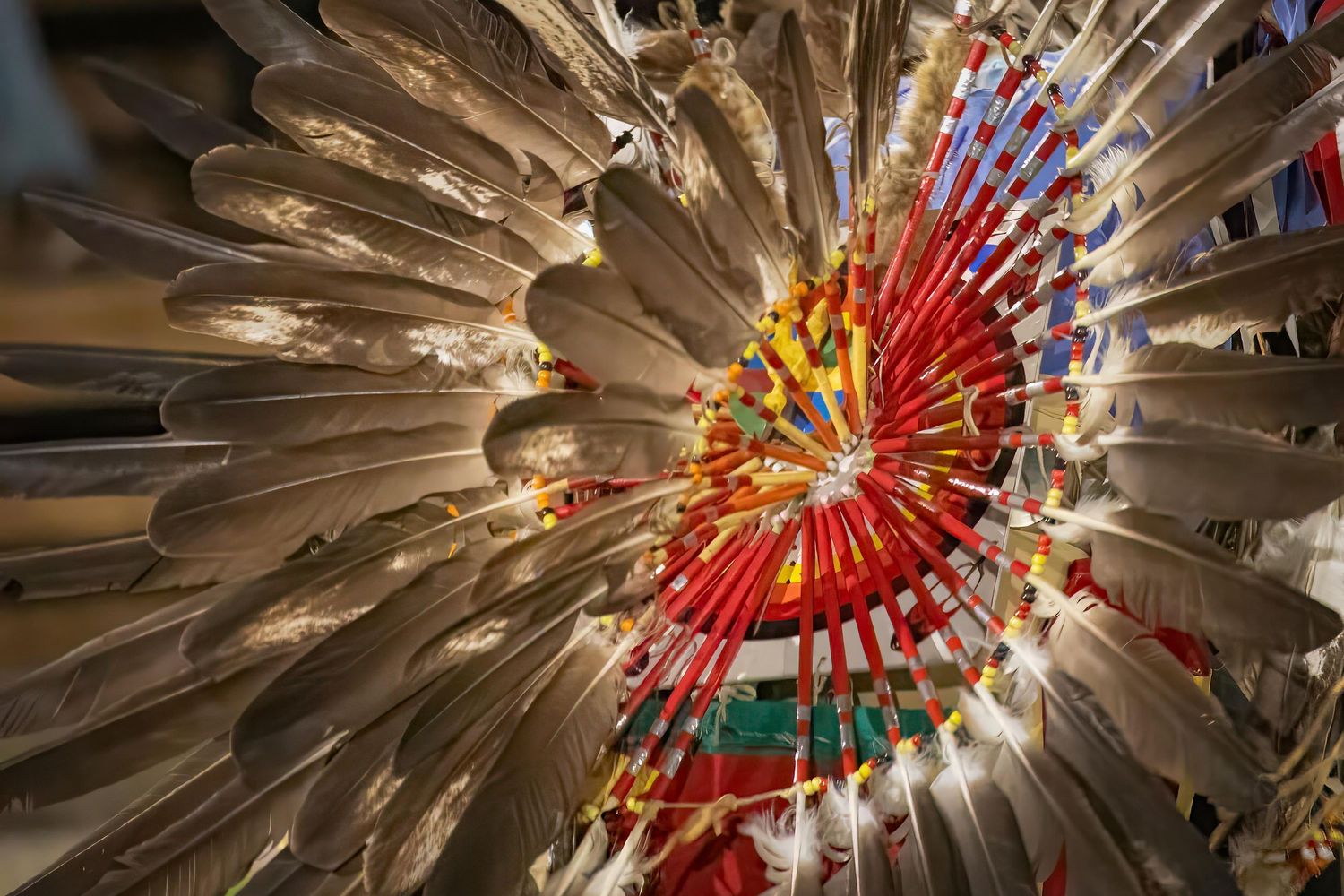
I got to make it to the powwow...
There is a song that has travelled quietly through Indigenous communities for decades. It is playful, rhythmic, and instantly recognizable when it begins to play at a powwow or on a long drive between communities. On the surface, NDN Kars by Keith Secola sounds like a celebration of a beat-up car—dust on the dashboard, a vehicle that rattles but keeps going anyway. But like so much Indigenous music, the song carries more than melody. It carries story.
Music has always been a form of cultural memory. Songs hold laughter, survival, and truths that are sometimes easier to sing than to say directly. “Indian Car” does exactly that. The car in the song is not polished or new. It is imperfect and stubborn and deeply loved. The humour of it all is familiar to anyone who has driven long rural roads or patched together a vehicle just to keep moving.
Over the years of teaching driving in Indigenous communities, I have often thought about this song. Beneath the humour is something deeper: the car represents mobility, and mobility has never been neutral for Indigenous peoples.
In one of the most memorable moments in the song, the driver describes being pulled over by a police officer. The plates are expired, the dashboard is dusty, and the driver begins explaining that he needs to keep going because he has somewhere important to be. Not work, not an appointment—but a powwow.
The moment is delivered with humour, but it reveals a reality many people recognize: the tension that can exist between cultural life and regulatory systems. For many Indigenous people, travelling to ceremony is not optional. Powwows are places where families reconnect, songs are shared, and communities come together. Yet the road to get there sometimes runs through systems that were never designed with those realities in mind.
What is remarkable is how the official music video shifts the meaning of the song even further. Partway through the video, the story pauses and a message appears on the screen. It speaks directly about the devastating impact of motor vehicle crashes in Indigenous communities, particularly among young people.
The message is blunt: crashes have taken too many lives, many of them preventable. It calls for sober driving, the use of seatbelts, protecting children in safety seats, and staying focused behind the wheel.
With awareness comes change, the message says. Some things cannot change overnight, but there are changes we can make right now to protect our children and our communities.
It is a powerful moment because the song refuses to separate culture from responsibility. The same car that symbolizes freedom also carries risk. The same road that connects communities can also take lives if safety is ignored. By embedding this message in the video, Keith Secola transforms a beloved song into something more than entertainment. It becomes a form of community advocacy.
Yet there is another layer to the story that is often invisible.
While safety campaigns rightly encourage families to use car seats or follow best practices on the road, the reality in many remote and northern communities is far more complicated. Car seats are not always readily available in local stores. Some families cannot easily purchase them online because local financial institutions may not issue debit-visa cards that work for internet purchases. Shipping to remote communities can take weeks and cost more than the item itself.
In these places, the message to “use a car seat” is correct. But the infrastructure that makes that possible does not always exist.
This gap between the call to action and the lived reality is where the real work begins. Safety messages matter, but access matters too. Indigenous driving schools and community-based licensing programs are increasingly stepping into this space—not only teaching people how to drive, but helping communities navigate the systems that surround mobility.
They help people obtain licences, understand insurance, access driver education, and advocate for the resources that make safer travel possible.
In that sense, the old car in the song continues its journey. It carries laughter, resilience, and a deep understanding that mobility is both freedom and responsibility. The road ahead is not simply about teaching people to drive. It is about closing the gap between policy and reality so that when families set out to visit relatives, attend ceremony, or travel to a powwow by the river, they can do so safely.
Sometimes culture tells the story before policy catches up. I have come to think that may be what this song has been doing all along. The music reminds us that the journey matters and that protecting the people in the car matters just as much.
I raise my hands to Keith, both for his truth and his humour.